Shoe Goo Tube Black Miscellaneous Skate
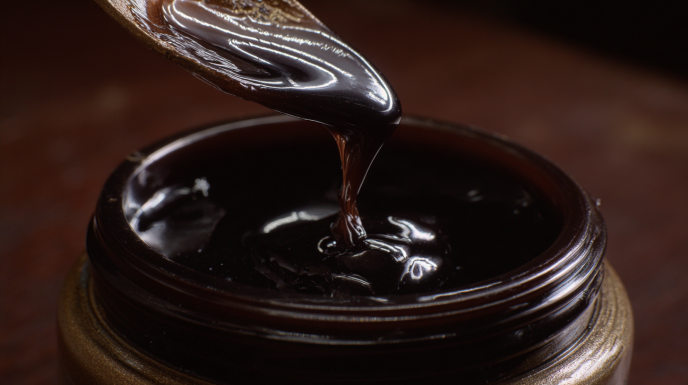
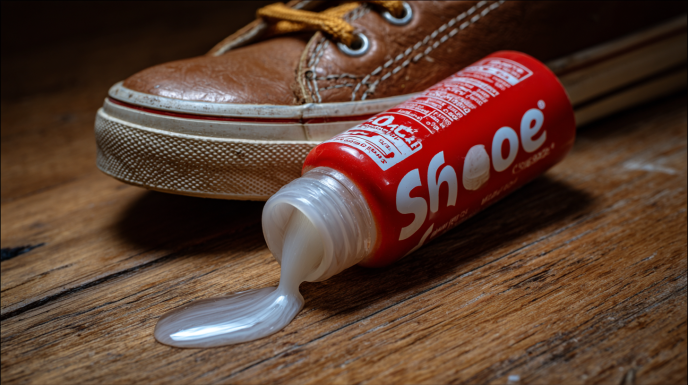
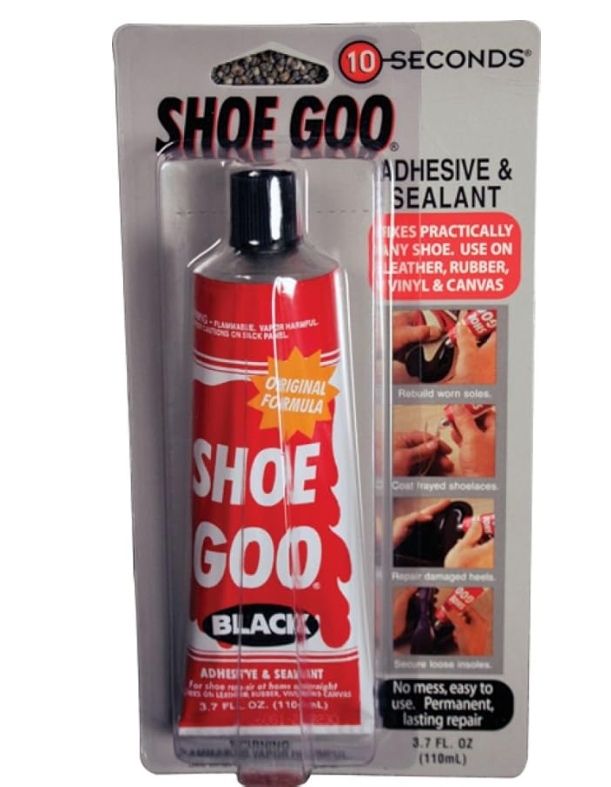
- Shoe Goo Black Tube. You asked for it and here it is. Start Gooing!
From Shredded Soles to Street-Ready: Mastering the Art of Skate Shoe Resurrection with Shoe Goo
Every skater knows the heartbreak. You’ve just broken in that perfect pair of shoes, they’re finally molded to your feet, the grip is dialed in, and then it happens – that dreaded hole appears right where your board connects during an ollie. The toe starts separating from the sole, or worse, the entire side panel develops a gaping wound that threatens to end your session prematurely. Before you toss those beloved kicks into the trash and shell out another hundred bucks for a new pair, there’s a time-tested solution that’s been saving skaters’ shoes and wallets for decades: Shoe Goo Skate.
This unassuming tube of miracle adhesive has earned legendary status in skate shops, garages, and bedrooms around the world. It’s the difference between a two-week shoe lifespan and months of reliable skating. But Shoe Goo Skate isn’t just about repairs – it’s about prevention, protection, and maximizing every dollar you spend on footwear.
The Skateboarding Shoe Dilemma: Why Regular Shoes Just Don’t Cut It
Skateboarding is uniquely destructive to footwear. Unlike running or casual walking, skating subjects shoes to constant friction, impact, and abrasion that would destroy regular sneakers in hours. Every flip trick, every ollie, every kickflip creates a grinding motion between the grip tape and your shoe’s upper material. The repetitive dragging motion slowly but surely eats through even the most durable materials.
The problem intensifies when you consider the specific areas of wear. The ollie area – that sweet spot on the side of your shoe where the grip tape makes contact – takes the brunt of the abuse. Canvas tears, suede wears thin, and leather develops holes faster than you can master that tre flip you’ve been working on. Traditional shoe construction simply wasn’t designed for the lateral friction and constant abrasion that skateboarding demands.
This is where Shoe Goo Skate enters the picture as a game-changer. Originally developed for general shoe repair, this industrial-strength adhesive has found its true calling in the skateboarding community. Its unique formula provides the flexibility, durability, and adhesion strength needed to withstand the punishment that skating dishes out.
Understanding Shoe Goo: The Science Behind the Magic
Shoe Goo Skate isn’t your average household adhesive. It’s a specialized polyurethane-based compound engineered specifically for shoe repair and protection. The formula creates a flexible, rubber-like bond that moves with your shoe while maintaining incredible strength and durability. Unlike rigid adhesives that crack under stress, Shoe Goo maintains its integrity through countless skating sessions.
The secret lies in its unique chemical composition. When applied, Shoe Goo begins as a viscous liquid that penetrates deep into fabric fibers and material surfaces. As it cures, it forms cross-linked polymer chains that create a flexible yet incredibly strong bond. This process takes approximately 24 to 48 hours to complete fully, but the wait is worth every minute of extended shoe life.
What sets Shoe Goo Skate apart from other adhesives is its ability to flex without losing adhesion. Regular super glues or epoxies create brittle bonds that fail under the constant flexing and impact of skateboarding. Shoe Goo’s elastomeric properties allow it to stretch and compress with your shoe’s natural movement while maintaining its protective barrier against wear.
The Art of Application: Mastering Shoe Goo Technique
Applying Shoe Goo Skate effectively requires patience, preparation, and proper technique. The difference between a professional-looking repair that lasts months and a lumpy mess that peels off in days often comes down to the application process. The first step is proper surface preparation, which many skaters unfortunately skip in their eagerness to get back to skating.
Clean the damaged area thoroughly with rubbing alcohol or degreaser to remove dirt, oils, and old adhesive residue. Any contamination on the surface will compromise the bond strength and longevity of your repair. Once clean, rough up smooth surfaces lightly with sandpaper to provide better mechanical adhesion for the Shoe Goo to grip.
When applying the adhesive, less is often more. Shoe Goo Skate should be applied in thin, even layers rather than thick globs. Thick applications take longer to cure, are more likely to crack, and create an uneven surface that affects your board feel. Use a disposable plastic tool or old credit card to spread the adhesive evenly, creating a smooth transition between the repair area and the surrounding shoe material.
For hole repairs, the technique differs slightly. Small holes can be filled directly with Shoe Goo, but larger tears require backing material for support. A piece of canvas or fabric patch placed behind the hole provides structure for the adhesive to build upon. Apply Shoe Goo to both the backing material and the shoe, then carefully position the patch and smooth out any air bubbles.
Preventive Protection: Using Shoe Goo Before Damage Occurs
While Shoe Goo Skate excels at repairs, its most valuable application might be preventive protection. Smart skaters apply Shoe Goo to high-wear areas before damage occurs, effectively creating armor for their shoes. This proactive approach can extend shoe life dramatically, often doubling or tripling the lifespan of your favorite kicks.
The key areas for preventive application include the ollie zone on the shoe’s lateral side, the toe cap area where kickflips create wear, and the heel area where your back foot drags during certain tricks. Apply a thin layer of Shoe Goo Skate to these areas when your shoes are new, creating a sacrificial layer that absorbs the abuse instead of your shoe material.
This preventive approach requires strategic thinking about your skating style. Street skaters who primarily perform technical flip tricks should focus on toe and side protection, while transition skaters might need more heel and sole reinforcement. Observe where your current shoes show wear patterns, and you’ll know exactly where to apply preventive protection on your next pair.
The timing of preventive application matters too. Apply Shoe Goo when shoes are brand new for maximum adhesion to clean surfaces, or wait until you’ve broken them in if you’re concerned about affecting the initial feel. Many experienced skaters compromise by applying protection after the first few sessions when they’ve identified their personal wear patterns.
Repair Techniques: From Minor Holes to Major Reconstruction
Shoe Goo Skate can handle an impressive range of repair scenarios, from tiny pinhole tears to major sole separation. Understanding the appropriate technique for each type of damage ensures successful repairs that last. Minor holes, less than a quarter-inch in diameter, can typically be filled directly with Shoe Goo. Clean the area, apply the adhesive slightly proud of the surface, and sand smooth once cured.
Larger tears require more sophisticated repair techniques. Create a backing patch from canvas or denim, cutting it slightly larger than the damaged area. Apply Shoe Goo to both the patch and the interior of the shoe, position carefully, and clamp or weight down during curing. This creates a strong foundation that won’t fail under skating stress.
Sole separation represents one of the most challenging repairs but also offers the greatest cost savings when successful. Shoe Goo Skate can effectively reattach separated vulcanized soles if the damage isn’t too extensive. Clean both surfaces thoroughly, removing all old adhesive residue. Apply Shoe Goo to both the sole and upper, wait for it to become tacky (about 10-15 minutes), then press firmly together and clamp overnight.
For canvas shoes, Shoe Goo adheres exceptionally well to the natural fibers. The porous nature of canvas allows the adhesive to penetrate deeply, creating mechanical bonds in addition to chemical adhesion. Suede requires more careful handling due to its delicate nap, but Shoe Goo works effectively when applied with a light touch to avoid matting the fibers.
Durability Under Fire: How Long Can You Expect Shoe Goo to Last?
The longevity of Shoe Goo Skate repairs depends on multiple factors including application quality, skating style, frequency of use, and environmental conditions. Under normal skating conditions, a properly applied Shoe Goo repair can last anywhere from several weeks to many months. Heavy street skaters who session daily might see repairs wear through in 3-4 weeks, while weekend warriors could enjoy protection for 3-6 months or longer.
The key to maximizing durability lies in proper application and reasonable expectations. Shoe Goo Skate creates a protective barrier, not an indestructible shield. Eventually, even the best repair will wear through under constant abuse. However, reapplication is simple and cost-effective, making it easy to maintain protection indefinitely.
Environmental factors also affect longevity. Extreme heat can soften Shoe Goo temporarily, while extreme cold can make it more brittle. UV exposure from sunlight can gradually degrade the polymer over time, though this typically takes months of direct exposure. Storing shoes in moderate temperatures and out of direct sunlight helps maintain repair integrity.
The flexibility of cured Shoe Goo contributes significantly to its durability. Unlike rigid repairs that crack under stress, Shoe Goo Skate flexes with your shoe’s natural movement. This flexibility prevents stress concentrations that could cause sudden failure, instead allowing the repair to wear gradually and predictably.
Comparing Adhesive Options: Why Shoe Goo Reigns Supreme
The market offers various adhesives marketed for shoe repair, but Shoe Goo Skate consistently outperforms alternatives in skateboarding applications. Super glues cure quickly but create brittle bonds that fail under flex. Epoxies provide strong initial bonds but lack the flexibility needed for skateboarding’s dynamic stresses. Contact cements work well for sole attachment but don’t provide the wear resistance needed for upper repairs.
Shoe Goo’s polyurethane formulation strikes the perfect balance between strength, flexibility, and wear resistance. Its slow cure time, often seen as a disadvantage, actually contributes to superior bond strength by allowing deep penetration into substrate materials. The final cured properties provide exactly what skateboarding demands: a tough, flexible repair that can handle punishment.
Other skateboard-specific products have emerged over the years, but none have matched Shoe Goo Skate’s combination of versatility, reliability, and cost-effectiveness. Some products excel in specific applications but lack Shoe Goo’s across-the-board performance. The fact that Shoe Goo has remained the go-to choice for decades speaks to its proven effectiveness in real-world skating conditions.
Professional skaters and shop technicians consistently choose Shoe Goo for both personal use and customer repairs. This professional endorsement carries significant weight, as these users demand maximum performance and reliability from their repair materials. When your livelihood depends on having functional shoes, you choose the adhesive with the best track record.
Advanced Applications: Beyond Basic Repairs
Shoe Goo Skate capabilities extend far beyond simple hole patching. Creative skaters have developed numerous advanced applications that maximize the product’s versatility. Custom grip enhancement involves applying thin layers of Shoe Goo to sole areas that contact the board, creating additional traction for certain tricks or riding styles.
Sole modification represents another advanced application. Skaters can build up worn areas of the sole or even modify the sole pattern for improved board feel. Shoe Goo Skate adheres well to existing rubber compounds, allowing for seamless sole repairs and modifications that maintain the shoe’s original performance characteristics.
Some skaters use Shoe Goo for aesthetic modifications, building up logos or creating custom textures on their shoes. While primarily functional, these applications demonstrate the product’s versatility and workability. The ability to sand, paint, and further modify cured Shoe Goo opens up numerous creative possibilities.
Heel drag repair presents a common application for transition and bowl skaters. The constant scraping against coping and walls wears through heel areas quickly, but Shoe Goo Skate can rebuild these areas effectively. Multiple thin applications work better than single thick ones, allowing you to gradually build up the damaged area while maintaining proper cure characteristics.
Color Matching and Aesthetic Considerations
While function trumps form in skateboarding, the appearance of repairs matters to many skaters. Shoe Goo Skate comes in several colors including clear, black, and white, allowing for reasonably good color matching on most shoes. Clear Shoe Goo works well on light-colored shoes where it becomes nearly invisible once applied properly.
Black Shoe Goo blends perfectly with dark shoes and provides excellent coverage for repairs on black canvas or leather. The dark color also helps hide dirt and wear that accumulates during skating sessions. White Shoe Goo serves specialized applications on white shoes but shows dirt more readily than other colors.
For perfect color matching on unusual shoe colors, some skaters mix Shoe Goo with compatible colorants or paints. This advanced technique requires experimentation but can achieve nearly invisible repairs on uniquely colored shoes. The key is adding colorant gradually while maintaining the adhesive’s performance properties.
Texture matching presents another aesthetic consideration. Shoe Goo Skate naturally cures to a slightly glossy finish that differs from most shoe materials. Light sanding with fine grit paper can reduce the gloss and create texture that better matches surrounding materials. Some skaters intentionally create texture patterns in wet Shoe Goo using various tools.
Troubleshooting Common Application Problems
Even experienced users occasionally encounter issues with Shoe Goo Skate applications. Understanding common problems and their solutions ensures successful repairs every time. Poor adhesion typically results from inadequate surface preparation, contamination, or applying over incompatible materials. The solution involves thorough cleaning and proper surface preparation before reapplication.
Slow or incomplete curing can result from thick applications, high humidity, or cold temperatures. Shoe Goo Skate cures through moisture reaction, so high humidity actually accelerates curing while dry conditions slow it down. Thin applications cure more quickly and reliably than thick ones, making patience during application pay off with better results.
Lumpy or uneven repairs usually stem from poor application technique or attempting to repair too much damage in a single application. Multiple thin layers produce better results than single thick applications. Each layer should cure completely before applying the next, ensuring proper adhesion and appearance.
Premature failure of repairs often indicates insufficient surface preparation, incompatible substrate materials, or unrealistic expectations about durability. Shoe Goo Skate provides excellent performance but isn’t magical. Proper application to appropriate materials under reasonable use conditions ensures the best possible outcomes.
Environmental Impact and Safety Considerations
Modern skaters increasingly consider the environmental impact of their choices, and Shoe Goo Skate offers several advantages in this regard. By extending shoe life significantly, Shoe Goo reduces the number of shoes discarded and new shoes purchased. This reduction in consumption represents a meaningful environmental benefit, particularly given the resource-intensive nature of shoe manufacturing.
The longevity of Shoe Goo repairs amplifies this environmental benefit. A single tube can extend the life of multiple pairs of shoes, representing substantial resource conservation compared to frequent shoe replacement. The durability of repairs means materials stay in use longer rather than heading to landfills prematurely.
Safety considerations include proper ventilation during application and storage away from heat sources and children. Shoe Goo Skate contains solvents that require adequate air circulation during use. While not particularly toxic, common-sense precautions ensure safe handling and application.
The cured product is inert and poses no ongoing safety concerns. Once fully cured, Shoe Goo becomes a stable polymer that doesn’t off-gas or present health risks during normal use. This safety profile makes it suitable for frequent contact with skin during skating activities.
Professional Tips from Skate Shop Veterans
Veteran skate shop employees have accumulated decades of experience with Shoe Goo Skate applications. Their insider knowledge can help avoid common mistakes and achieve professional-quality results. Temperature control during application significantly affects results, with moderate temperatures producing the best adhesion and cure characteristics.
Timing repairs correctly maximizes effectiveness and minimizes downtime. Addressing damage early, before it becomes extensive, results in stronger and more durable repairs. Shoe Goo Skate bonds better to slightly damaged material than to heavily worn or contaminated surfaces.
Professional applicators emphasize the importance of patience during curing. Rushing the process by skating on uncured repairs leads to premature failure and wasted materials. The 24-48 hour cure time should be respected for optimal results, even when you’re eager to get back to skating.
Surface preparation receives major emphasis from professionals. The few extra minutes spent properly cleaning and preparing surfaces pays dividends in repair longevity and performance. Shortcuts during preparation almost always result in inferior repairs that fail prematurely.
The Economics of Shoe Preservation
The financial benefits of using Shoe Goo Skate become obvious when you calculate the costs. A quality pair of skate shoes costs $60-120 or more, while a tube of Shoe Goo costs under $10 and can repair multiple pairs. Even if repairs only double your shoe life, the return on investment exceeds 500%.
For frequent skaters, the savings multiply dramatically. Daily skaters might normally go through shoes monthly, representing $720-1440 in annual footwear costs. Shoe Goo Skate can easily cut this expense in half while maintaining performance and comfort. The mathematics strongly favor repair over replacement in most scenarios.
The convenience factor adds additional value beyond pure cost savings. Having shoes fail mid-session creates frustration and potentially ends your skate time prematurely. Proactive Shoe Goo application prevents these interruptions, ensuring consistent availability of functional footwear.
Budget-conscious skaters can maximize value by combining Shoe Goo use with strategic shoe purchasing. Buying quality shoes and protecting them with Shoe Goo Skate from the beginning creates a high-performance, long-lasting setup that outperforms the cycle of buying cheap shoes that quickly wear out.
Innovation and Future Developments
The skateboarding industry continues evolving, and adhesive technology advances alongside it. Shoe Goo Skate has incorporated improvements over the years, with enhanced formulations providing better performance and easier application. Future developments may include faster-curing variants, improved color options, or specialized formulations for specific shoe materials.
Environmental consciousness drives innovation toward more sustainable formulations. Future versions might incorporate bio-based components or improved recyclability while maintaining the performance characteristics that make Shoe Goo indispensable to skaters worldwide.
Smart application techniques continue emerging from the skating community. Social media platforms facilitate sharing of tips, tricks, and innovative uses that expand Shoe Goo Skate’s versatility. This grassroots innovation contributes to the product’s continuing relevance and effectiveness.
Professional skaters’ input influences product development, ensuring that improvements address real-world skating demands rather than theoretical scenarios. This connection between users and manufacturers helps maintain Shoe Goo’s position as the preferred choice for serious skaters.
Conclusion: Your Shoes’ Best Friend
Shoe Goo Skate represents more than just an adhesive – it’s an essential tool that bridges the gap between skateboarding’s destructive nature and economic reality. In a sport where equipment takes incredible abuse, having a reliable repair solution means the difference between continuous progression and constant financial strain.
The versatility, durability, and cost-effectiveness of Shoe Goo Skate have earned it legendary status among skaters worldwide. From preventive protection on new shoes to major reconstruction of beloved pairs, this remarkable adhesive handles whatever challenges skating throws at it. The investment in a single tube provides months or years of shoe preservation potential, making it one of the best values in all of skateboarding.
Whether you’re a weekend warrior trying to stretch your shoe budget or a daily shredder who destroys footwear with regularity, Shoe Goo Skate offers a solution that works. The techniques and knowledge shared by generations of skaters have refined application methods to near-perfection, ensuring that anyone can achieve professional-quality repairs with patience and practice.
As skateboarding continues growing and evolving, one constant remains: shoes will take abuse, and Shoe Goo Skate will be there to fix them. It’s a relationship built on trust, proven through countless sessions, repairs, and saved dollars. In the end, Shoe Goo isn’t just preserving shoes – it’s preserving the ability to skate consistently, affordably, and without compromise.