From Torn Sneakers to Skateboard Sessions: How One Little Tube Can Save Your Sole (and Your Wallet)
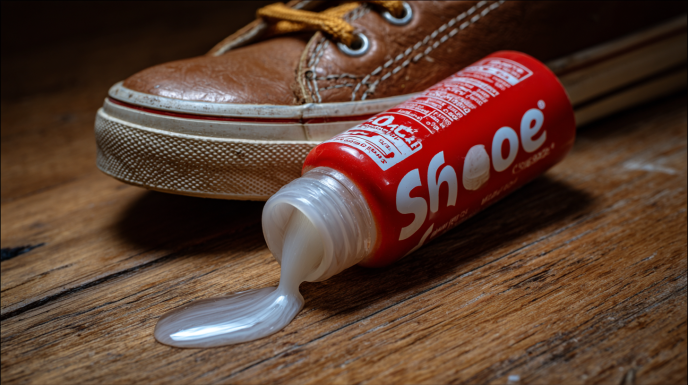
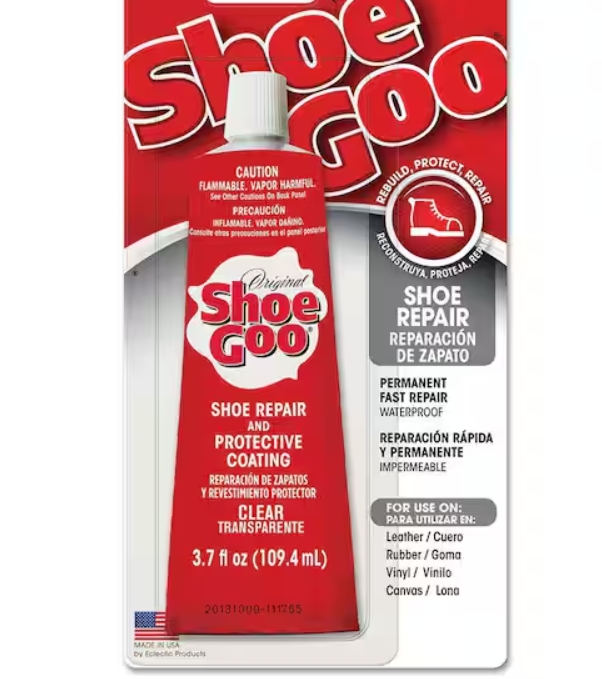
Picture this: You’re rushing out the door for an important meeting when you notice a gaping hole in your favorite pair of shoes. Your heart sinks as you realize these aren’t just any shoes – they’re the perfectly broken-in sneakers that have been with you through countless adventures, or perhaps those expensive running shoes that still have hundreds of miles left in them. Before you resign yourself to an expensive shopping trip or reluctantly toss them in the trash, let me introduce you to a small miracle worker that’s been quietly saving footwear for decades: Shoe Goo Adhesive Glue.
In a world where we’re increasingly conscious of sustainability and mindful spending, Shoe Goo emerges as an unsung hero of the repair universe. This remarkable adhesive has earned its place in toolboxes, kitchen drawers, and skateboarders’ backpacks worldwide, not through flashy marketing campaigns, but through sheer effectiveness and word-of-mouth recommendations from satisfied users who’ve witnessed its almost magical ability to breathe new life into damaged shoes.
The DNA of Shoe Goo: Understanding What Makes This Adhesive Special
Shoe Goo Adhesive Glue isn’t just another generic adhesive that happened to find its way into the shoe repair market. This specialized formula was specifically engineered to address the unique challenges that footwear faces daily: constant flexing, moisture exposure, temperature variations, and the relentless pressure of supporting our body weight with every step.
At its core, Shoe Goo is a urethane-based adhesive that cures to form a rubber-like bond. Unlike rigid adhesives that crack under pressure or flexible ones that lack durability, this remarkable substance strikes the perfect balance between strength and flexibility. When it dries, it doesn’t just stick to your shoe – it becomes part of it, creating a seamless repair that moves and flexes exactly as your footwear was designed to do.
The genius of Shoe Goo lies in its molecular structure. The urethane polymers form cross-linked chains that provide incredible tensile strength while maintaining elasticity. This means that when you walk, run, or even skateboard, the repaired area stretches and compresses along with the rest of your shoe, preventing the common problem of repairs failing at stress points.
The Versatile World of Shoe Goo Applications
Hole Repair: When Your Shoes Spring a Leak
One of the most common questions about Shoe Goo is whether it can repair holes in shoes, and the answer is a resounding yes. Whether you’re dealing with a small puncture from stepping on a nail or a larger hole worn through from extensive use, Shoe Goo Adhesive Glue can create a durable patch that’s often stronger than the original material.
For small holes, the process is remarkably straightforward. Simply clean the area thoroughly, apply the Shoe Goo generously over the hole, and allow it to cure. The adhesive will flow into the opening and create a seamless seal. For larger holes, you might need to use a backing material – a piece of fabric or leather placed inside the shoe – to give the Shoe Goo something to bridge across.
Sole Salvation: Reattaching What Was Never Meant to Part
Perhaps no shoe problem is more frustrating than a sole that’s beginning to separate from the upper. This type of damage, known as delamination, typically spells doom for most footwear. However, Shoe Goo has built its reputation on tackling exactly these kinds of seemingly hopeless cases.
The key to successfully reattaching a sole with Shoe Goo Adhesive Glue lies in proper preparation and application technique. First, thoroughly clean both surfaces to remove any dirt, oil, or old adhesive residue. Roughening the surfaces slightly with sandpaper can also improve adhesion. Apply a generous bead of Shoe Goo to both surfaces, press them firmly together, and use clamps or heavy objects to maintain pressure while the adhesive cures.
The Skateboarding Connection: Where Shoe Goo Earned Its Street Cred
No discussion of Shoe Goo would be complete without acknowledging its legendary status in the skateboarding community. Skateboarders discovered early on that their shoes faced unique challenges – the constant abrasion from grip tape, the impact of landing tricks, and the twisting forces of board manipulation created a perfect storm of shoe destruction.
Shoe Goo Adhesive Glue became the skateboarding community’s secret weapon, not just for repairs but for prevention. Many skaters apply Shoe Goo to high-wear areas of new shoes before they even hit the skate park, creating a protective barrier that significantly extends the life of their footwear. This proactive approach has saved countless skaters from the expense of constantly replacing shoes while allowing them to maintain peak performance.
The Science of Adhesion: How Shoe Goo Creates Lasting Bonds
Understanding how Shoe Goo works helps explain why it’s so effective. The adhesive process begins the moment the product is exposed to moisture in the air. This moisture triggers a chemical reaction that causes the urethane polymers to cross-link, forming long molecular chains that create the bond.
The strength of the bond created by Shoe Goo Adhesive Glue is truly impressive. Once fully cured, it can withstand pulling forces of several hundred pounds per square inch, making it stronger than many of the materials it’s repairing. This exceptional strength, combined with its flexibility, means that Shoe Goo repairs often outlast the rest of the shoe.
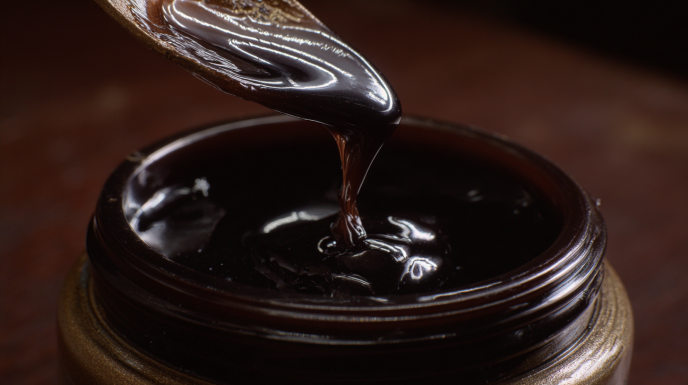
The curing process is fascinating to observe. Initially, Shoe Goo appears as a thick, honey-like substance that flows easily into cracks and crevices. As it begins to cure, it develops a skin on the surface while remaining workable underneath. This characteristic allows for longer working times and better adhesion to complex surfaces.
Timing is Everything: The Drying and Curing Process
One of the most frequently asked questions about Shoe Goo concerns drying time. The answer isn’t as straightforward as you might expect because Shoe Goo Adhesive Glue doesn’t simply “dry” – it undergoes a chemical curing process that happens in stages.
The initial skin formation typically occurs within 15-30 minutes under normal conditions, but this surface cure is deceiving. While the repair might feel dry to the touch, the Shoe Goo underneath is still curing. For light use, shoes can typically be worn after 4-6 hours, but for maximum strength and durability, allowing 24 hours of cure time is recommended.
Several factors influence curing time. Higher humidity actually accelerates the process since moisture triggers the chemical reaction. Temperature also plays a role – warmer conditions generally speed curing, while very cold temperatures can significantly slow it down. Thickness of application is another critical factor; thick applications take much longer to cure completely than thin ones.
Weather Resistance: Standing Up to Mother Nature
The waterproof properties of Shoe Goo are among its most valued characteristics. Once fully cured, Shoe Goo Adhesive Glue creates a completely waterproof seal that won’t break down when exposed to rain, puddles, or even submersion in water. This makes it invaluable for repairing work boots, hiking shoes, and any footwear that faces wet conditions.
But Shoe Goo’s weather resistance extends beyond just water protection. The cured adhesive maintains its properties across a wide temperature range, from well below freezing to over 200 degrees Fahrenheit. This thermal stability means that Shoe Goo repairs hold up whether you’re walking on hot summer pavement or trudging through snow.
The UV resistance of Shoe Goo is another often-overlooked benefit. Many adhesives break down when exposed to sunlight, but Shoe Goo maintains its integrity even with prolonged sun exposure, making it ideal for outdoor footwear that sees lots of sunshine.
Material Compatibility: A Universal Solution
One of Shoe Goo’s greatest strengths is its ability to bond to virtually any shoe material. Whether you’re working with leather, canvas, rubber, vinyl, or synthetic materials, Shoe Goo Adhesive Glue creates strong, lasting bonds.
For leather shoes, Shoe Goo is particularly effective because it penetrates slightly into the leather fibers, creating a mechanical bond in addition to the chemical adhesion. This makes it excellent for repairing leather soles, patching holes in leather uppers, or reattaching loose leather components.
Canvas and fabric shoes present their own challenges, but Shoe Goo handles them admirably. The adhesive flows into the fabric weave, creating a bond that’s integrated with the material structure. This prevents the common problem of patches peeling away from fabric surfaces.
Rubber and synthetic materials are where Shoe Goo truly shines. The chemical compatibility between the urethane-based adhesive and many synthetic shoe materials creates bonds that are often stronger than the original construction.
The Art of Application: Mastering Shoe Goo Technique
Proper application technique can mean the difference between a repair that lasts for years and one that fails after a few weeks. The process begins long before you open the tube of Shoe Goo Adhesive Glue.
Surface preparation is crucial. All surfaces must be absolutely clean and dry before application. Use a degreasing agent to remove any oils or residues, and allow the shoe to dry completely. For smooth surfaces, light sanding can improve adhesion by creating a slightly roughened texture that gives the Shoe Goo more surface area to grip.
When applying Shoe Goo, resist the temptation to use too little. A common mistake is trying to create thin, neat applications that look cosmetically appealing but lack the bulk necessary for a strong repair. Shoe Goo works best when applied generously, allowing it to flow into all the nooks and crannies of the damaged area.
For sole repairs, the clamping technique is essential. After applying Shoe Goo to both surfaces and pressing them together, use clamps, weights, or even wrap the shoe tightly with elastic bandages to maintain pressure during the critical early curing period.
Beyond Basic Repairs: Creative Applications for Shoe Goo
While most people think of Shoe Goo purely as a repair adhesive, creative users have discovered numerous other applications. Adding traction to smooth soles is one popular use – a few strategic dabs of Shoe Goo Adhesive Glue on slippery dress shoes can provide much-needed grip on smooth surfaces.
Customization is another area where Shoe Goo excels. Artists and crafters use it to attach decorative elements to shoes, create textured surfaces, or even build up areas for purely aesthetic purposes. The fact that Shoe Goo comes in several colors, including clear, black, and brown, makes it suitable for visible repairs that need to blend with the shoe’s appearance.
Some athletes use Shoe Goo to modify their shoes for better performance. Runners might add small amounts to high-wear areas to extend shoe life, while climbers use it to create custom toe caps for better precision on small holds.
Safety Considerations: Using Shoe Goo Responsibly
Shoe Goo Adhesive Glue is generally safe for most applications, including children’s shoes, but like any chemical product, it should be used with appropriate precautions. The uncured adhesive contains solvents that can be irritating to skin and should not be inhaled in large quantities.
When working with Shoe Goo, ensure adequate ventilation to avoid breathing concentrated fumes. Wear gloves to prevent skin contact, and have soap and water readily available for cleanup. If Shoe Goo gets on skin, wash immediately with soap and warm water – don’t try to peel it off once it starts to cure.
For children’s shoes, Shoe Goo is perfectly safe once fully cured. The cured material is inert and non-toxic, making it suitable for shoes that might occasionally end up in a child’s mouth.
Storage and Shelf Life: Maximizing Your Investment
Proper storage significantly affects the shelf life of Shoe Goo Adhesive Glue. Unopened tubes typically remain viable for several years when stored in cool, dry conditions. The key is preventing the adhesive from beginning its curing process prematurely.
Once opened, Shoe Goo begins to thicken gradually as it’s exposed to atmospheric moisture. To maximize shelf life, always clean the tube opening thoroughly after use and ensure the cap is tightly sealed. Some users store opened tubes in the refrigerator to further slow the curing process, though this isn’t strictly necessary.
A tube of Shoe Goo that has thickened significantly isn’t necessarily unusable. Often, it can still be applied effectively, though it may be more difficult to work with and take longer to cure completely.
Comparative Analysis: How Shoe Goo Stacks Up
The shoe repair market offers numerous alternatives to Shoe Goo, each with its own strengths and weaknesses. Traditional cobbler’s cement, contact adhesives, and super glues all have their place, but none offer the unique combination of properties that makes Shoe Goo Adhesive Glue so versatile.
Contact adhesives like Barge cement create incredibly strong initial bonds but can be brittle and may fail under repeated flexing. Super glues cure quickly but lack the flexibility needed for shoe repairs. Two-part epoxies are strong but rigid and difficult to work with on curved surfaces.
Shoe Goo strikes the optimal balance between strength, flexibility, ease of use, and durability. While it may not be the strongest adhesive available or the fastest-curing, it’s the most forgiving and versatile for the wide range of challenges that shoe repairs present.
The Future of Footwear Repair
As we become increasingly conscious of environmental impact and the throwaway culture, products like Shoe Goo Adhesive Glue represent a return to the values of repair and reuse. Every pair of shoes saved from the landfill through effective repair represents not just economic savings but environmental responsibility.
The rise of the “right to repair” movement in electronics has parallels in footwear. Just as we’re demanding the ability to fix our devices rather than replace them, there’s growing interest in maintaining and repairing shoes rather than discarding them at the first sign of wear.
Shoe Goo fits perfectly into this philosophy. It democratizes shoe repair, making it possible for anyone to perform professional-quality fixes without special tools or training. This accessibility is crucial in making repair a viable alternative to replacement for the average consumer.
Mastering the Cleanup: Dealing with Dried Shoe Goo
Even the most careful application sometimes results in Shoe Goo ending up where it doesn’t belong. Once cured, Shoe Goo Adhesive Glue is remarkably difficult to remove, which is both a blessing and a curse. This permanence is what makes repairs so durable, but it also means that mistakes are hard to correct.
For uncured Shoe Goo, immediate cleanup with mineral spirits or acetone is usually effective. However, once curing begins, mechanical removal becomes the primary option. Sharp knives, razor blades, or specialized adhesive removal tools can carefully scrape away unwanted Shoe Goo, though care must be taken not to damage the underlying material.
Heat can sometimes help soften cured Shoe Goo for easier removal, but high temperatures risk damaging the shoe material. The best approach is prevention – careful masking and precise application prevent most cleanup issues.
Economic Impact: The True Value of Shoe Goo
The economic argument for Shoe Goo Adhesive Glue is compelling. A single tube, typically costing less than the price of a fast-food meal, can repair multiple pairs of shoes and potentially save hundreds of dollars in replacement costs. For families with active children or individuals who are hard on their footwear, the savings can be even more dramatic.
Beyond direct cost savings, Shoe Goo offers the intangible benefit of extending the life of shoes that have been broken in and customized to your feet. Anyone who has spent weeks breaking in a new pair of work boots or finding the perfect running shoes understands the value of being able to repair rather than replace these perfectly adapted pieces of equipment.
The time savings are also significant. Rather than shopping for replacements, comparing options, and breaking in new shoes, a Shoe Goo repair can have you back in your favorite footwear within 24 hours.
Professional vs. DIY: When to Repair Yourself
While Shoe Goo Adhesive Glue makes many repairs accessible to the average person, it’s important to recognize when professional intervention might be more appropriate. Simple repairs like small holes, loose soles, or worn areas are perfect candidates for DIY Shoe Goo fixes.
However, complex structural repairs, valuable vintage shoes, or footwear with significant sentimental value might warrant professional attention. A skilled cobbler has access to specialized tools and techniques that can complement Shoe Goo applications for optimal results.
The beauty of Shoe Goo is that it doesn’t preclude professional repair. Many cobblers actually use Shoe Goo or similar products as part of their repair arsenal, recognizing its effectiveness for certain applications.
The Community Aspect: Sharing Success Stories
One of the most remarkable aspects of Shoe Goo Adhesive Glue is the community of users who share tips, techniques, and success stories. From skateboarding forums to hiking communities, people regularly share before-and-after photos of impressive repairs and creative applications.
These communities have developed innovative techniques that go far beyond the basic instructions on the tube. Methods for creating seamless color matches, techniques for repairing complex damage, and preventive applications that extend shoe life have all emerged from user experimentation and sharing.
The pride that comes from successfully repairing a beloved pair of shoes is evident in these communities. There’s something deeply satisfying about solving a problem with your own hands and saving money in the process.
Looking Forward: The Evolution of Repair Culture
Shoe Goo Adhesive Glue represents more than just a repair product – it’s a symbol of our evolving relationship with material possessions. As we move away from a purely disposable mindset toward one that values durability, repairability, and resourcefulness, products like Shoe Goo become increasingly relevant.
The skills involved in using Shoe Goo effectively – problem assessment, surface preparation, careful application, and patience during curing – are transferable to many other repair scenarios. Learning to fix shoes can be the first step toward a more hands-on, self-reliant approach to material possessions.
In conclusion, Shoe Goo Adhesive Glue stands as a testament to the power of specialized engineering applied to everyday problems. Its unique combination of strength, flexibility, ease of use, and versatility has made it an indispensable tool for anyone who values their footwear and wants to maximize its lifespan. Whether you’re a weekend warrior trying to extend the life of expensive hiking boots, a parent dealing with constantly damaged children’s shoes, or a skateboarder looking to get maximum value from your gear, Shoe Goo offers a reliable, cost-effective solution that has stood the test of time.
The next time you face a shoe repair challenge, remember that a small tube of Shoe Goo Adhesive Glue might be all that stands between your favorite footwear and the trash bin. In our fast-paced, disposal-oriented world, sometimes the most revolutionary act is simply choosing to repair rather than replace.